There are destinations you see.
And then there are destinations you seem to experience with every one of your senses.
Morocco is one of those places.
Walk through a souk and the colors immediately surround you—handwoven rugs, painted ceramics, pyramids of spices, dates, olives, and baskets overflowing with produce.
Then come the aromas.
Cumin.
Cinnamon.
Ginger.
Saffron.
Fresh mint.
Grilled meats.
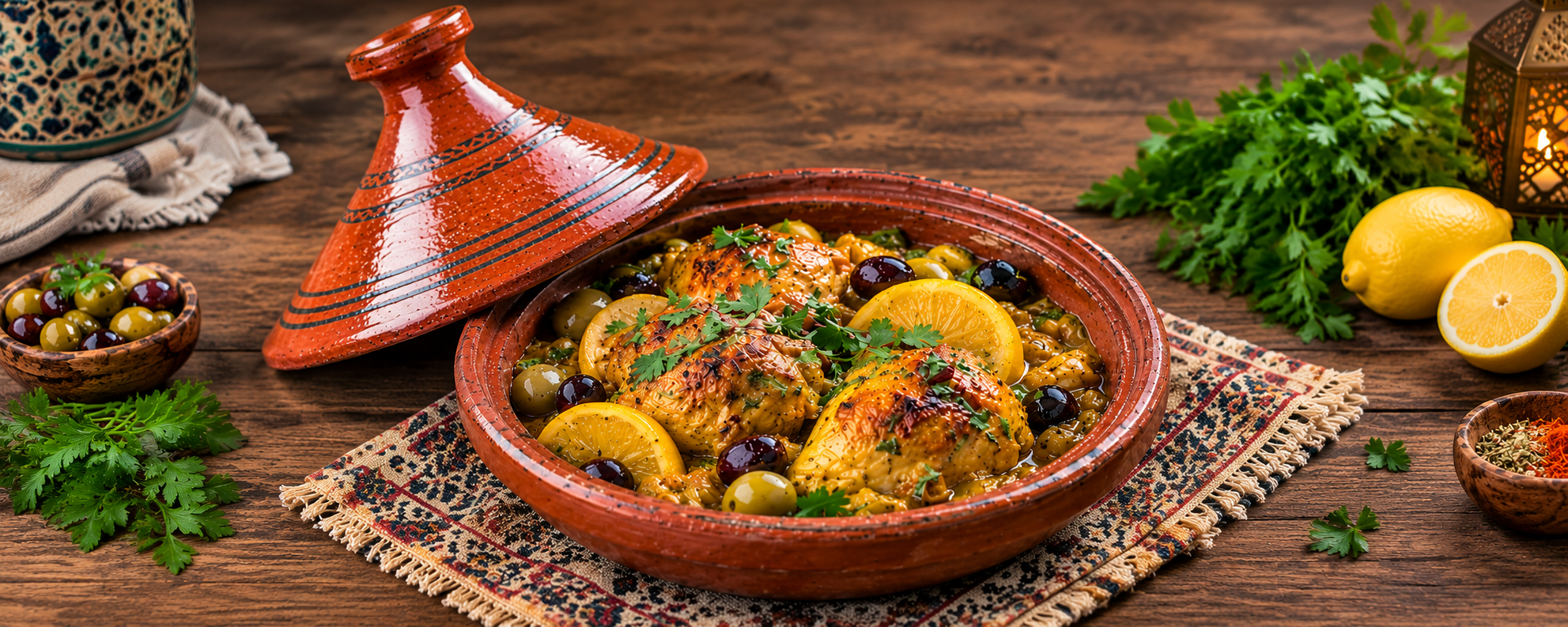
Slow-cooked tagines.
Bread emerging from an oven.
And somewhere nearby, someone is pouring steaming Moroccan mint tea from a silver pot held impressively high above a tiny glass.
Morocco sits at a remarkable geographic and cultural crossroads. Amazigh (Berber), Arab, African, Andalusian, Mediterranean and other historical influences have all helped shape its food traditions.
And Moroccan cooking understands something particularly well:
Flavor doesn’t have to mean heat.
Spices are layered to create aroma, warmth, and complexity rather than simply making food hot.
Sweet meets savory.
Fruit appears beside meat.
Preserved lemon brightens slow-cooked chicken.
Cinnamon and cumin can share the same dish.
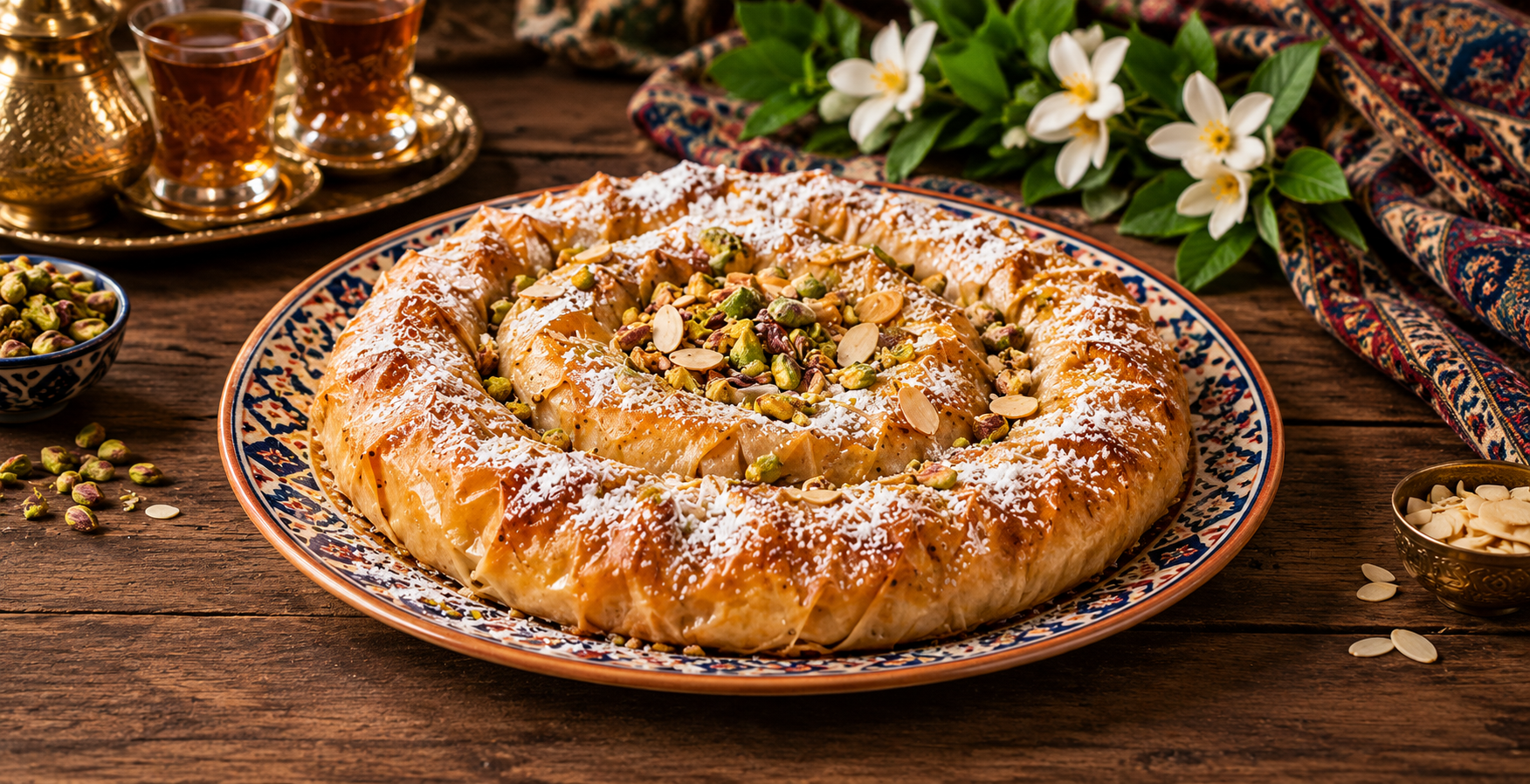
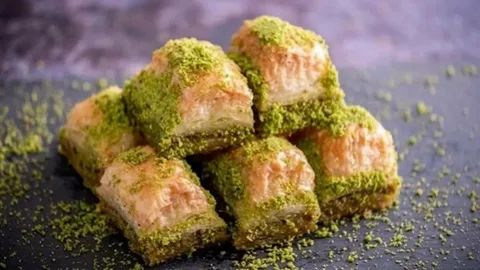
Almonds, honey, and orange blossom transform pastry into something extraordinary.
And meals are intertwined with another essential part of Moroccan culture:
Hospitality.
Food isn’t simply nourishment.
It’s welcome.
It’s conversation.
It’s community.
It’s an invitation to stay a little longer.
This week, Global Kitchen is experiencing Morocco through three dishes:
🍋 Moroccan Chicken Tagine with Preserved Lemon & Olives
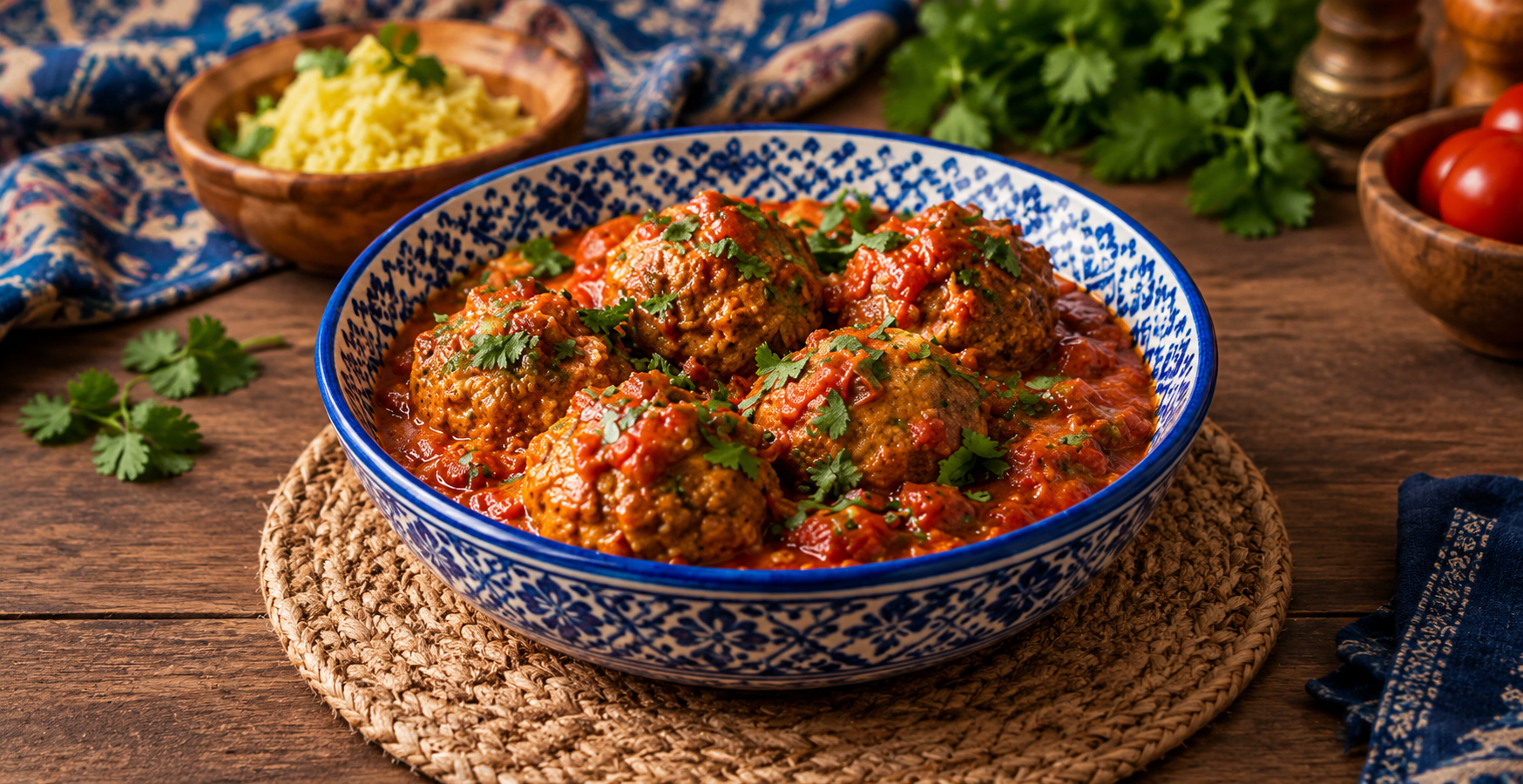
🍅 Kefta Mkaouara — Moroccan Meatballs in Spiced Tomato Sauce
🌰 M’hanncha — Moroccan Almond “Snake” Pastry
One fragrant slow-cooked classic.
One family-style comfort dish.
And one spectacular dessert.
Tonight, we’re headed to Morocco.
No passport required.
🇲🇦 This Week’s Phrase
Bssaha!
A common Moroccan expression associated with enjoying something in good health.
For our table tonight, think:
Enjoy—and may it bring you good health!
🎵 Music While You Cook
Set the atmosphere with:
Traditional Moroccan music
Gnawa
Andalusian Moroccan music
Amazigh music
Contemporary Moroccan or Maghrebi café music
Portugal is a country shaped by the sea.
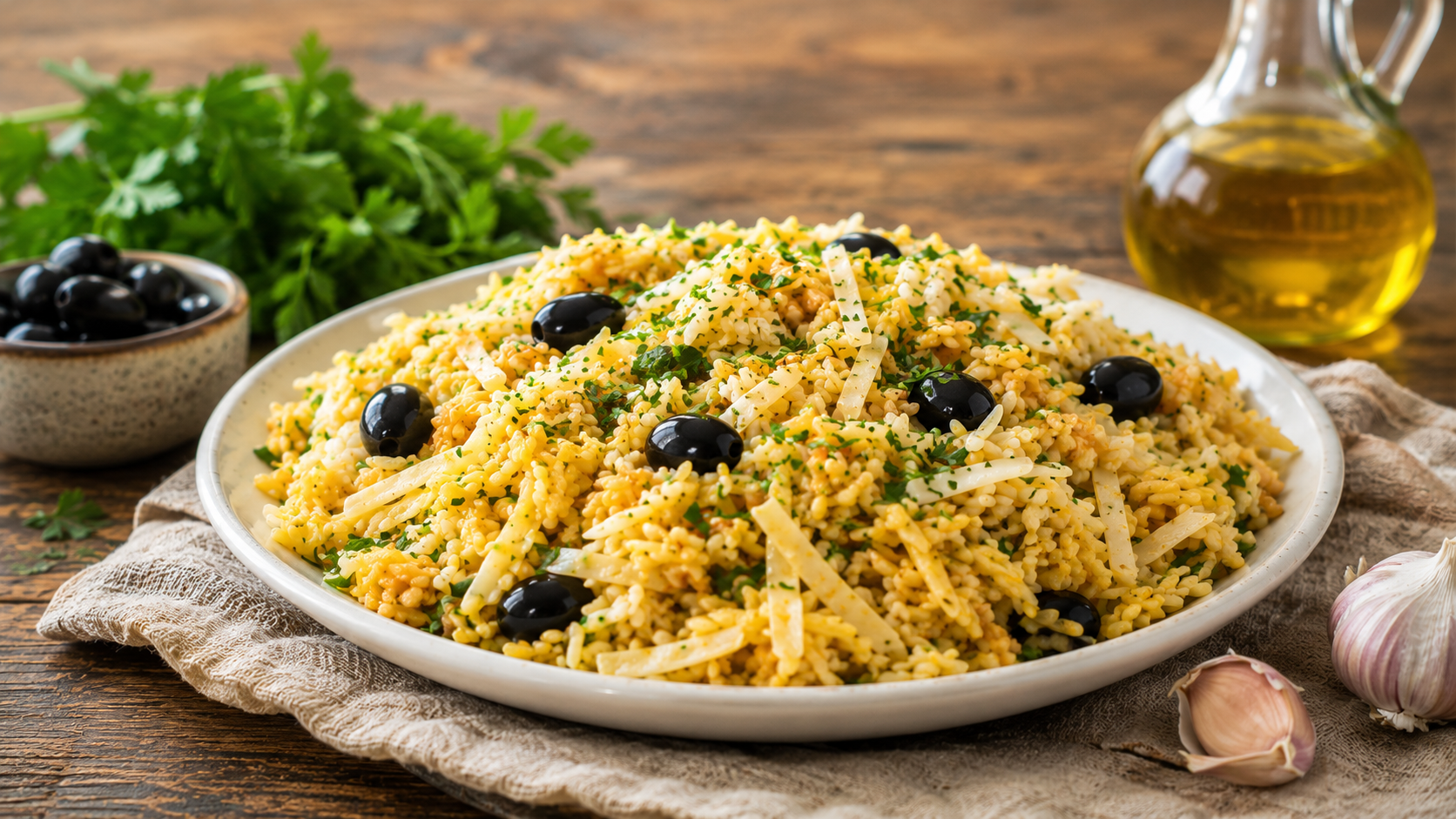
For centuries, Portuguese sailors crossed oceans, encountered new cultures and returned home with ingredients and influences that helped shape one of Europe’s most distinctive cuisines.
Yet some of Portugal’s greatest foods remain remarkably uncomplicated.
Few countries have influenced the way the world thinks about food quite like France.
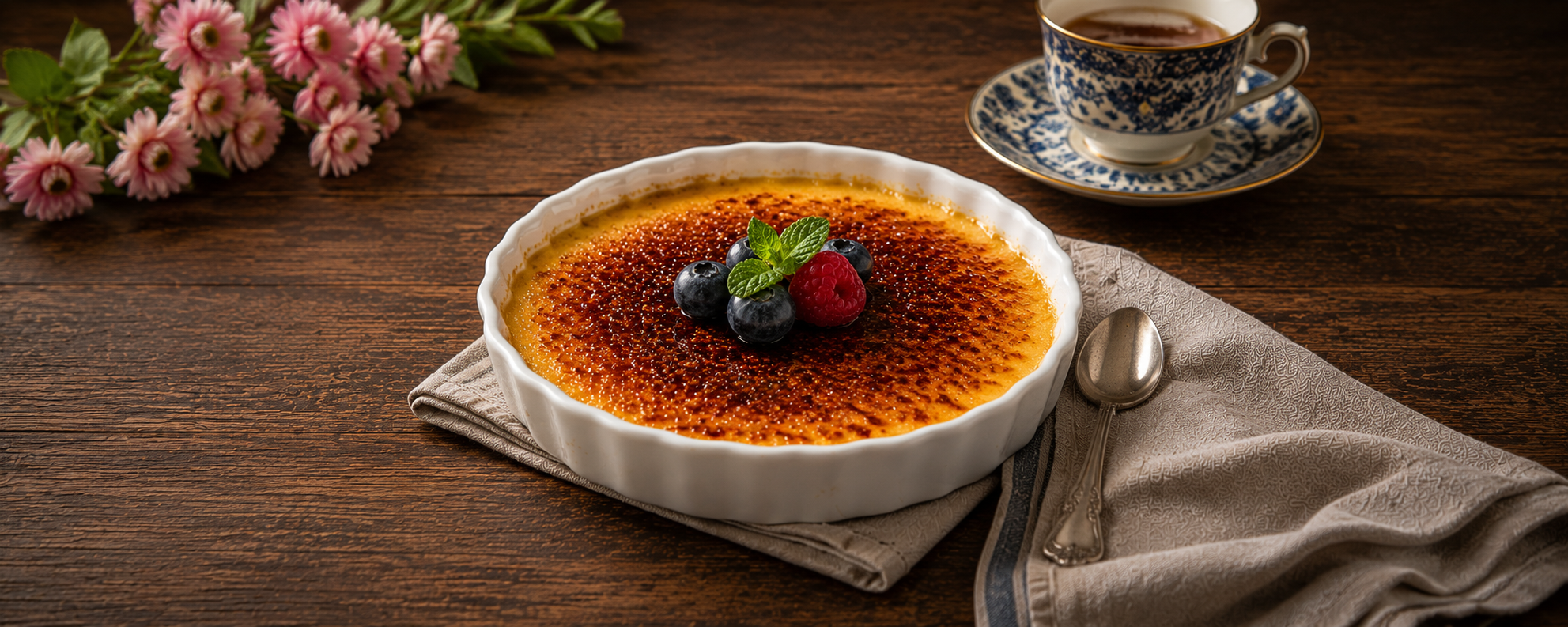
But French cuisine isn’t simply about elegant Paris restaurants, complicated sauces or white tablecloths.
At its heart, French cooking is deeply regional.
Travel through France and the landscape changes—and the table changes with it.
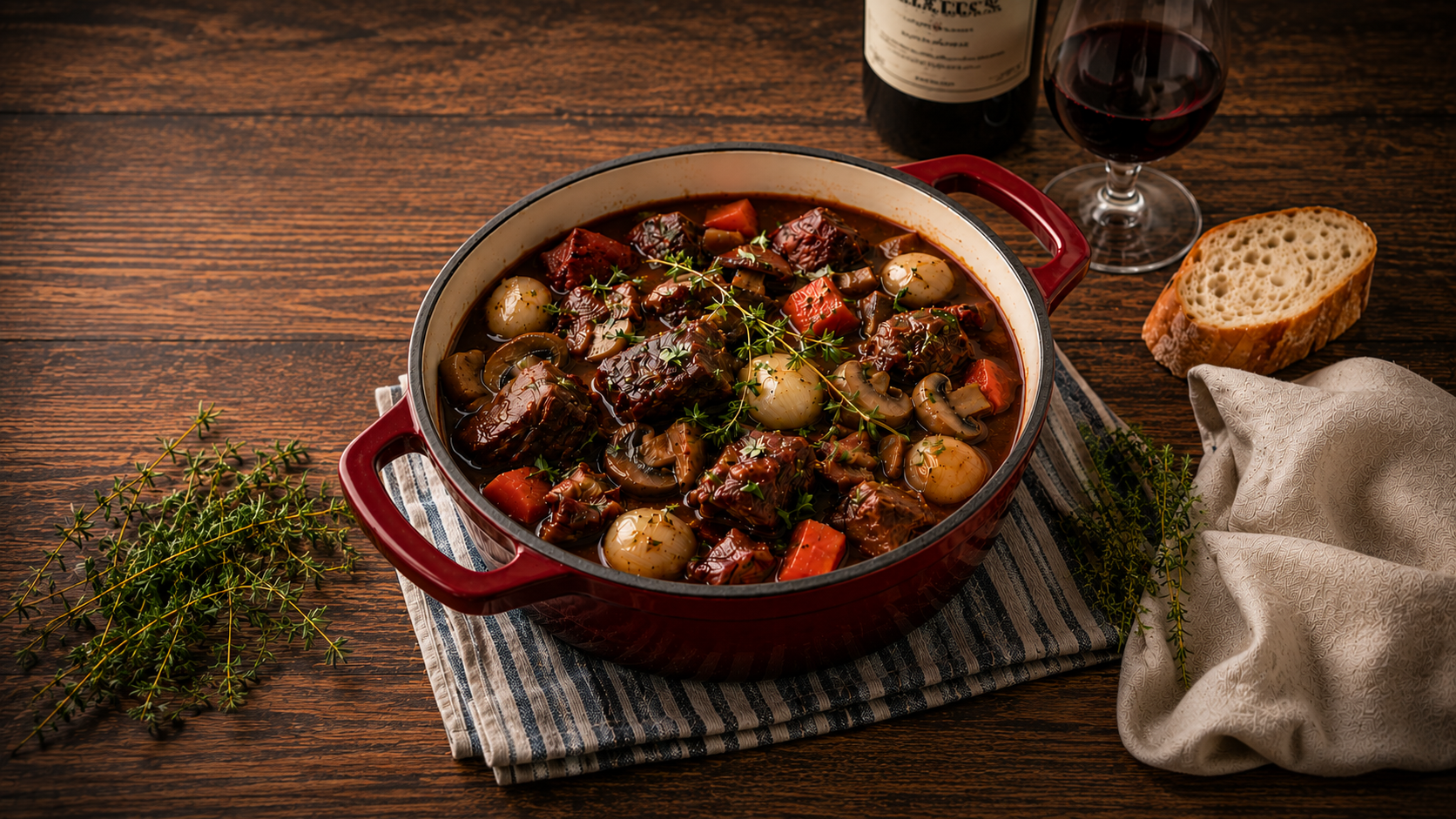
Burgundy gives us vineyards, mustard, Charolais beef and dishes slowly cooked with wine.
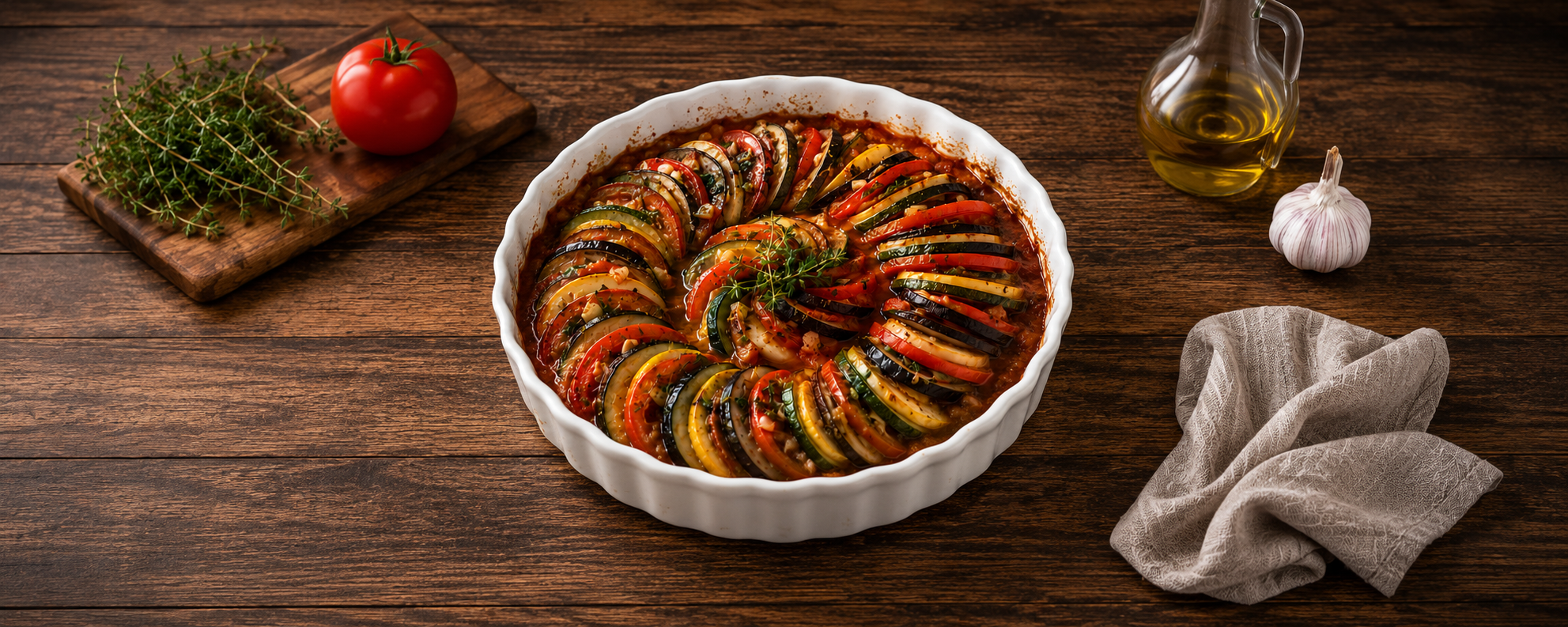
Provence brings sunshine to the table through tomatoes, eggplant, zucchini, garlic, olive oil and fragrant herbs.
Normandy celebrates cream, butter, apples, and seafood.
Brittany gives us oysters, crêpes, and buckwheat galettes.
Alsace reflects both French and German influences.
Spain is a country best discovered one region—and perhaps one table—at a time.
From the Mediterranean coastline of Valencia and Catalonia to the grand boulevards and neighborhood taverns of Madrid, food in Spain reflects geography, history, family and an enduring appreciation for gathering around the table.
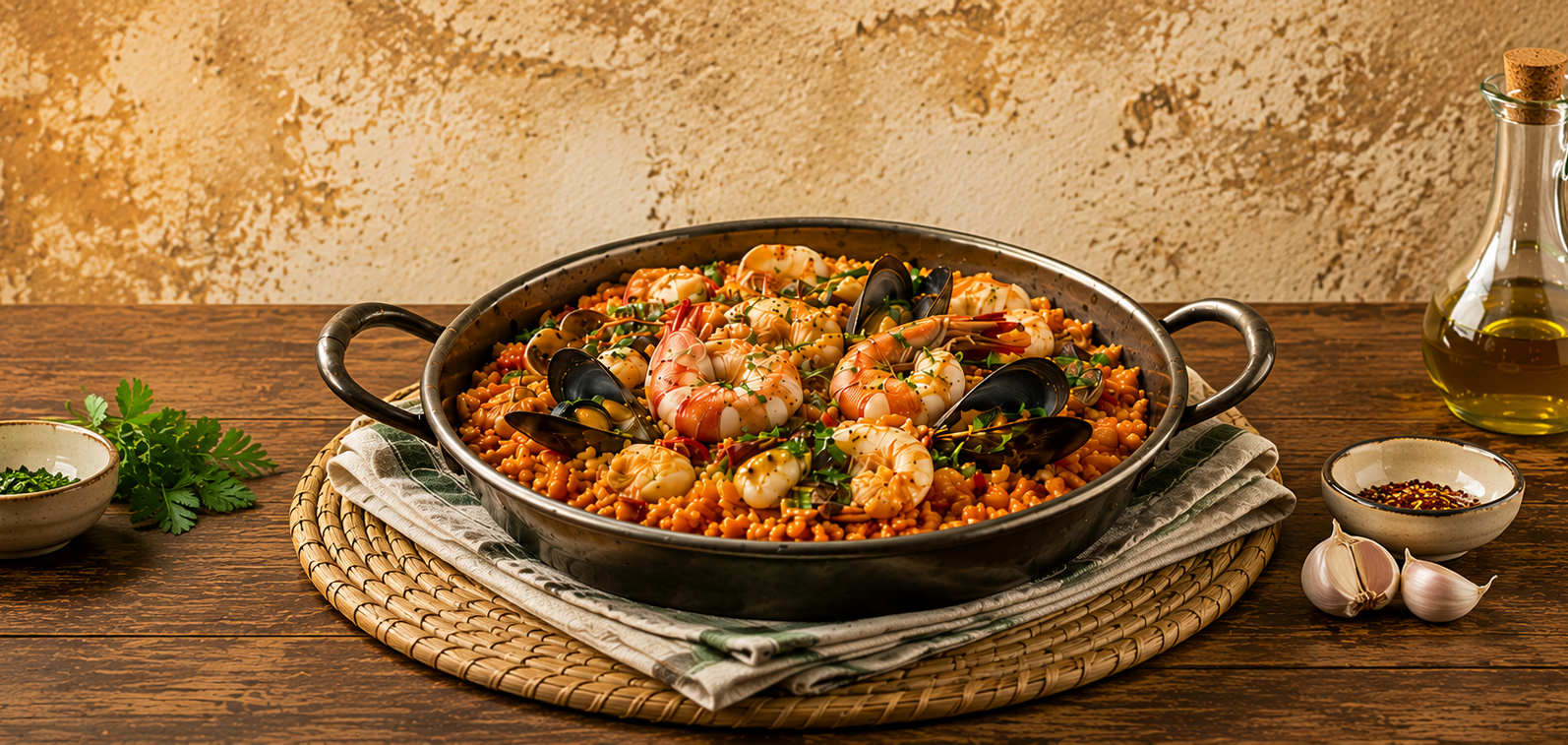
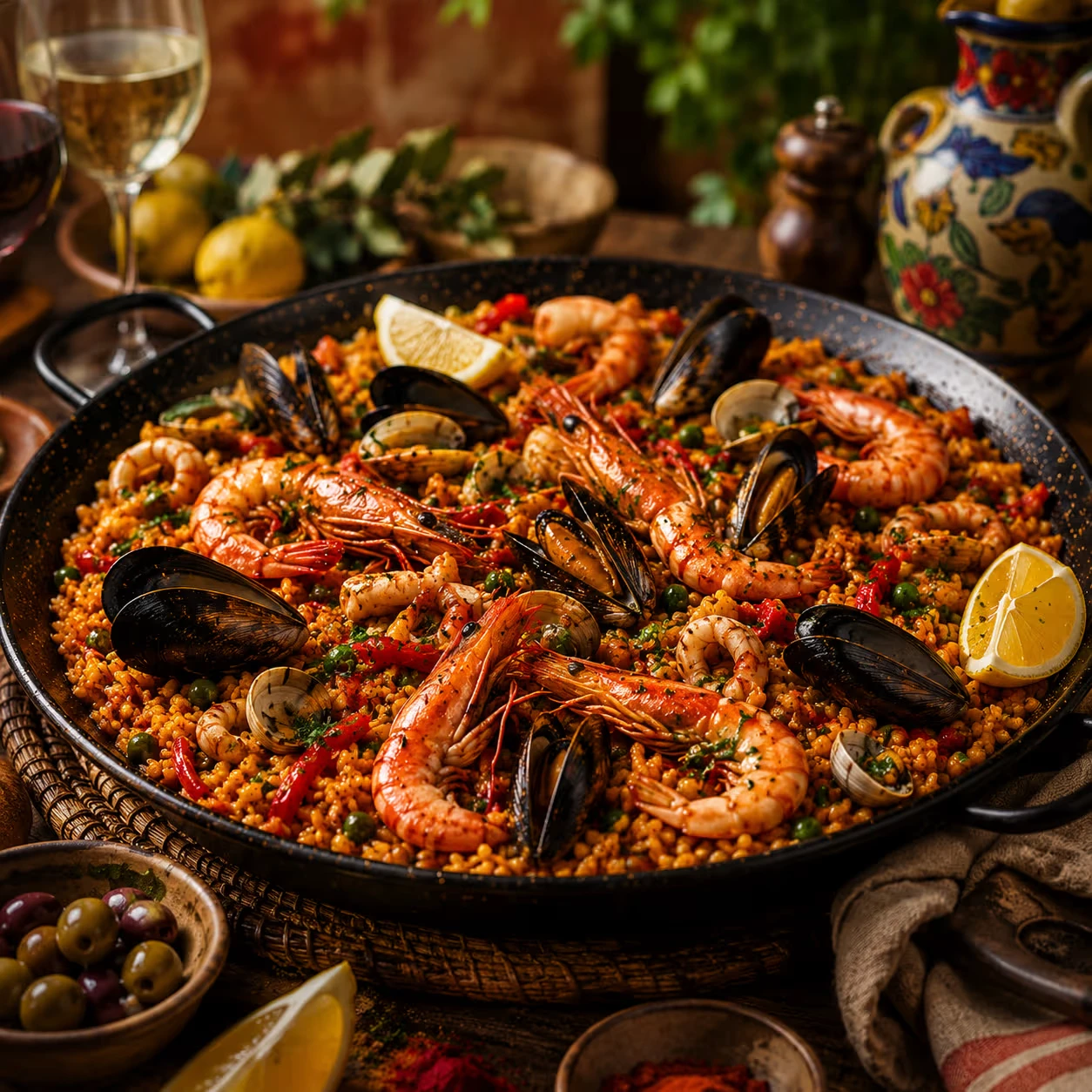
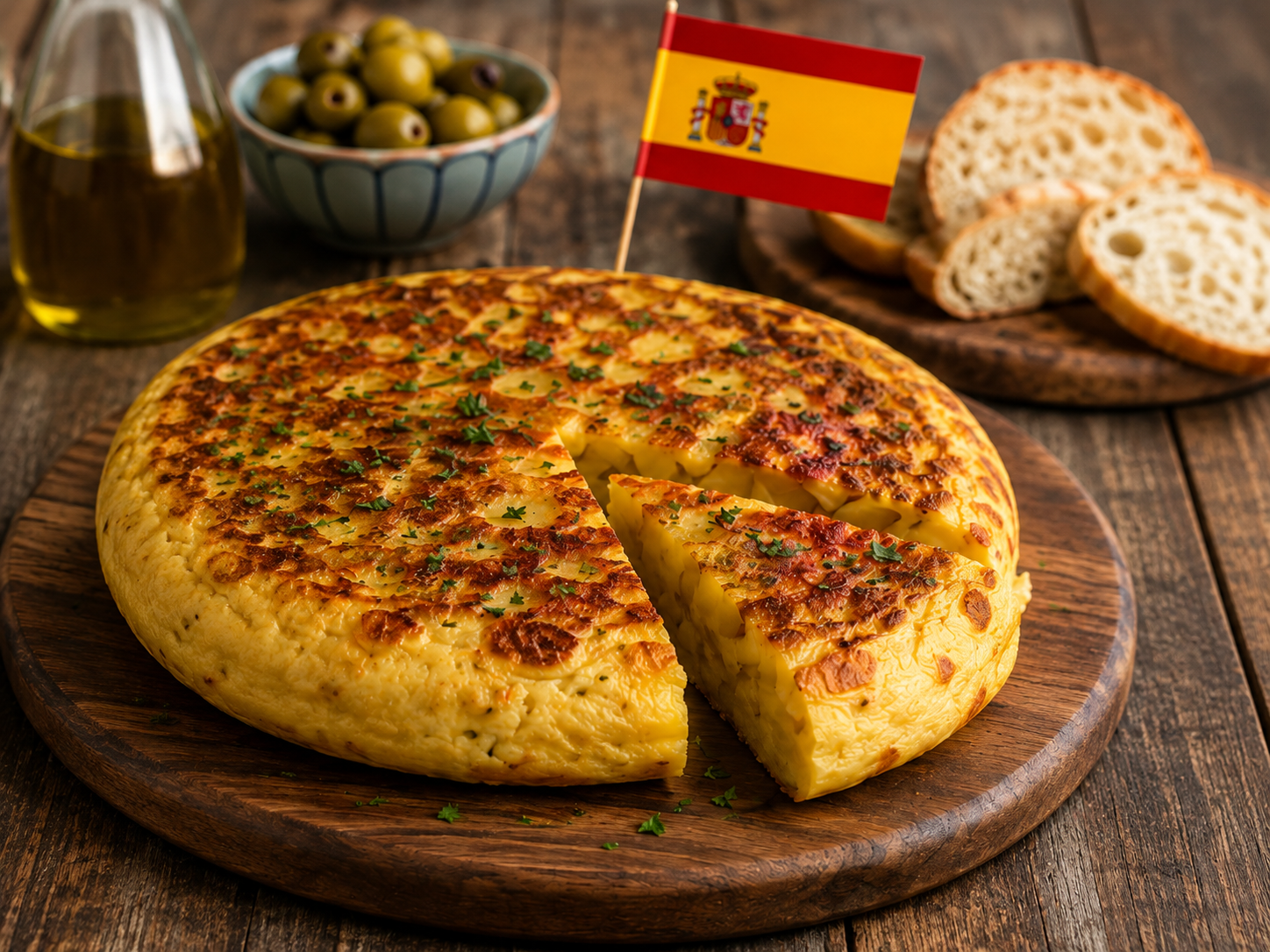
Spanish cooking often begins with remarkably simple ingredients: extra-virgin olive oil, garlic, tomatoes, saffron, smoked paprika, rice, potatoes, eggs, seafood, cured meats, regional cheeses, almonds and seasonal vegetables. Rather than disguising those ingredients, Spanish cooks have traditionally found ways to let them speak for themselves.
And then there is the Spanish table.
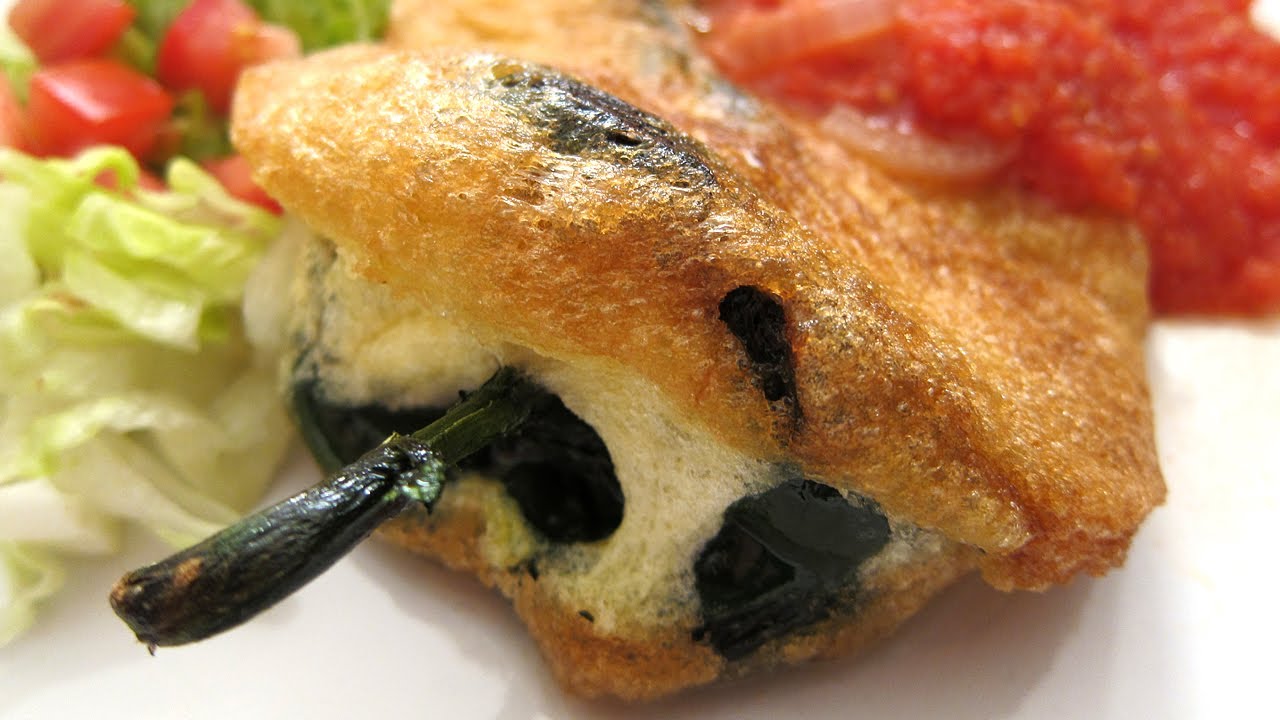
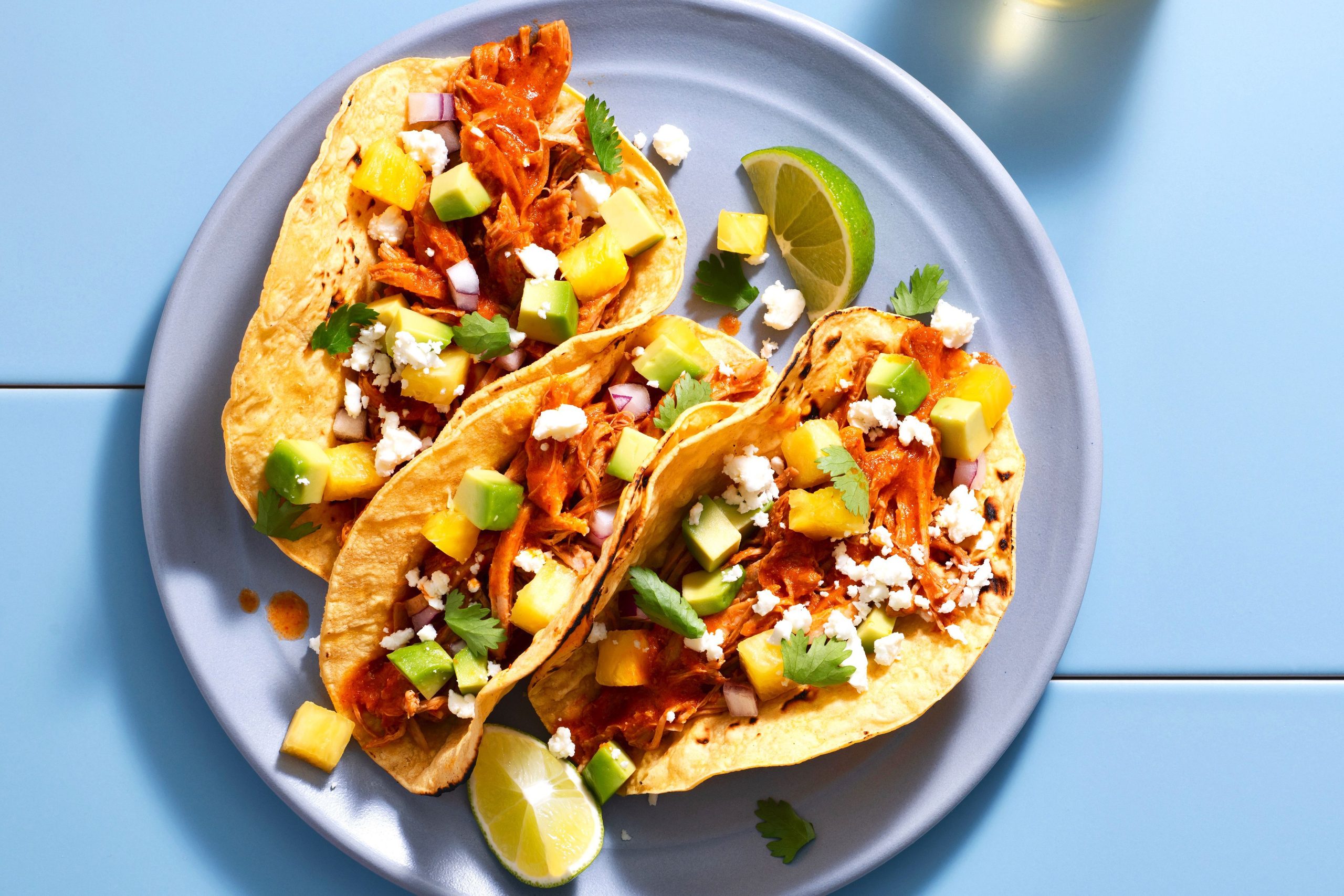
Mexico is a country of extraordinary color, history, hospitality, and flavor. Its cuisine is not defined by one dish or one style of cooking. It is a collection of regional traditions shaped by ancient civilizations, local ingredients, family recipes, geography, migration, and centuries of cultural exchange.
Long before Spanish influence reached the Americas, Indigenous communities were cultivating corn, beans, squash, tomatoes, avocados, cacao, vanilla, and many varieties of chiles. These ingredients remain at the heart of Mexican cooking today.
Few destinations capture the imagination quite like Greece.
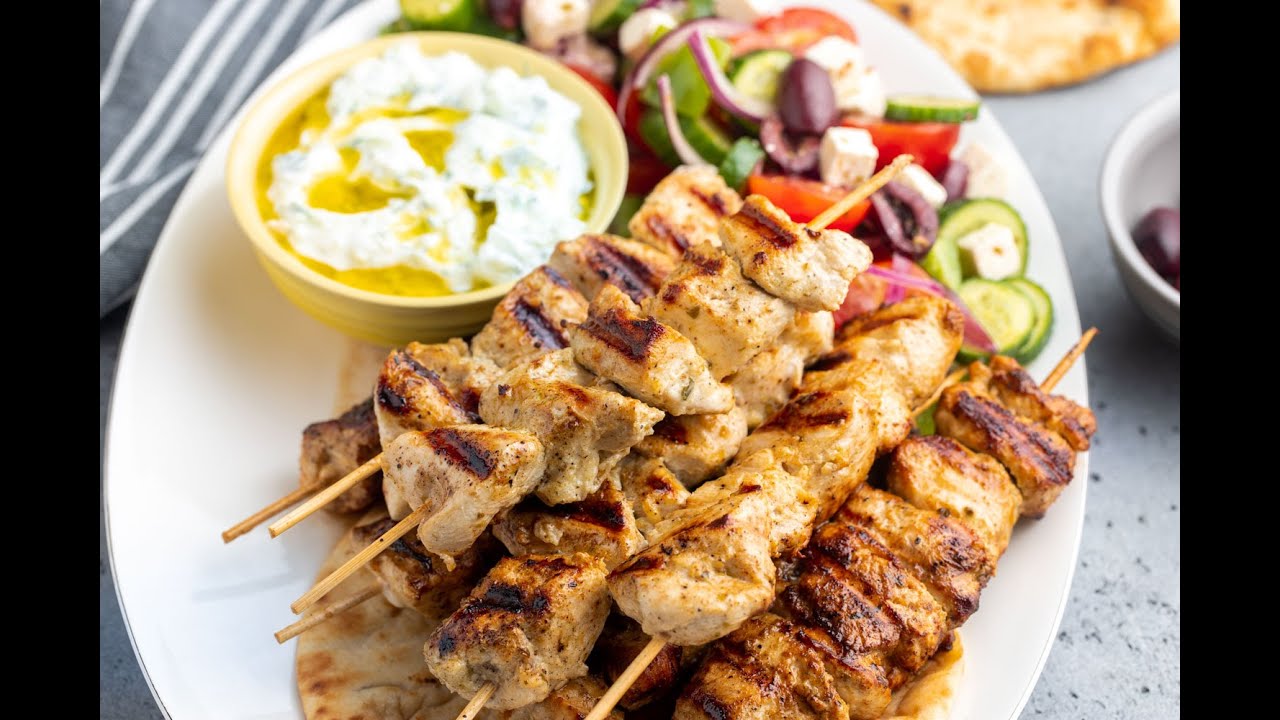
It is a country where ancient ruins rise above modern cities, whitewashed villages cling to dramatic cliffs, and brilliant blue water stretches toward the horizon. Greece is known for its mythology, architecture, islands, faith, music, hospitality, and a culinary tradition shaped by thousands of years of history.
If there is one country where food is woven into everyday life, it is Italy.
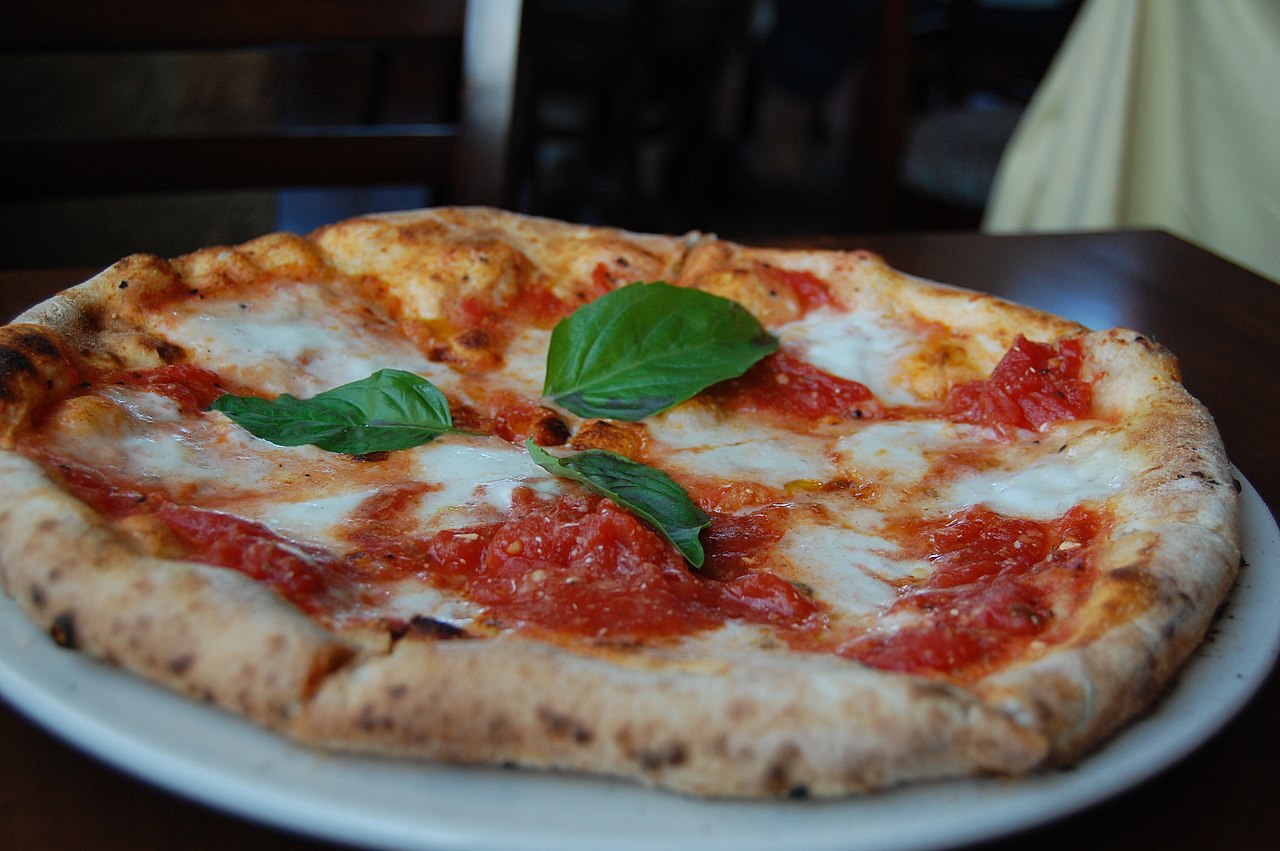
Meals aren’t simply something to eat—they’re a celebration of family, friendship, history, and tradition. From the bustling piazzas of Rome and the rolling vineyards of Tuscany to the seaside cafés of the Amalfi Coast and the famous pizzerias of Naples, every region offers flavors that have been perfected over centuries.