

Travel-a-Go-Go

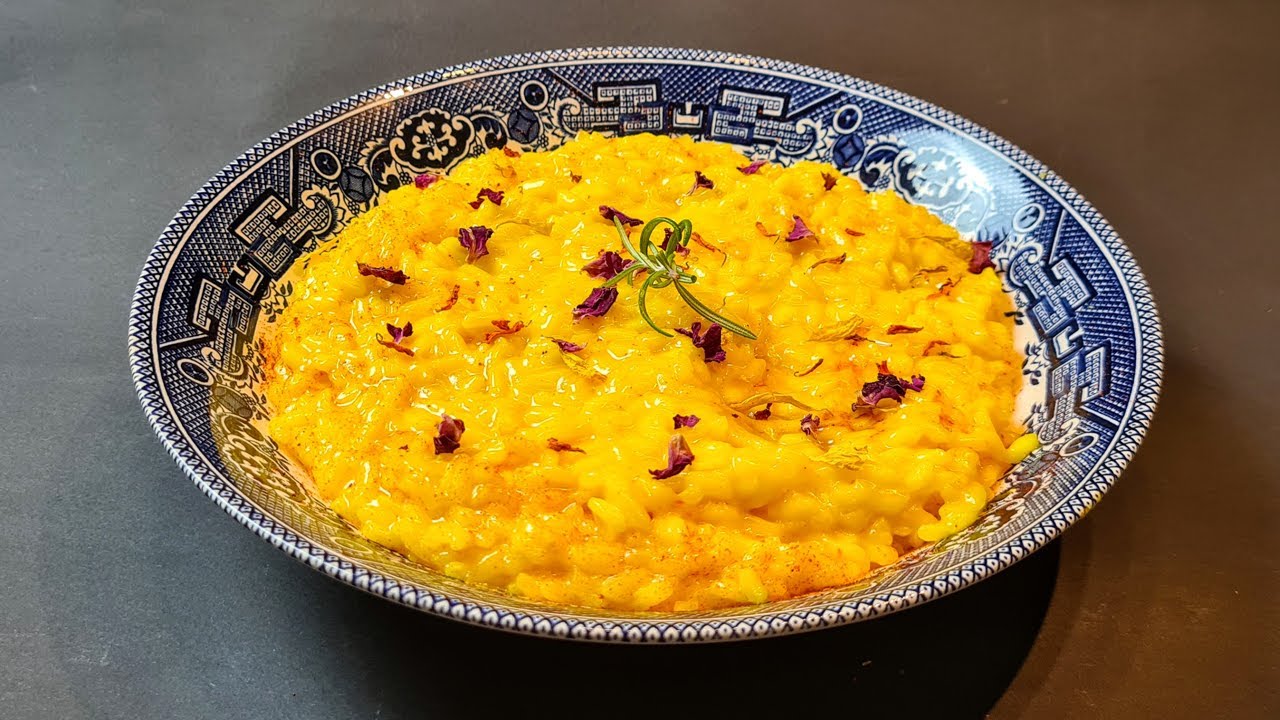
Risotto alla Milanese

Bringing the World We’ve Traveled…to Your Dining Table.

The Story Behind the Dish

Few dishes capture the elegance of Northern Italy quite like Risotto alla Milanese.

Unlike the tomato-rich dishes of southern Italy or the seafood specialties found along the Mediterranean coast, Milan is known for refined cuisine built around butter, cheeses, Arborio rice, and one of the world’s most treasured spices—saffron.

Legend has it that in the late 1500s, an apprentice working on the stained-glass windows of Milan’s magnificent Duomo Cathedral was known for adding saffron to create brilliant golden colors. During a wedding celebration, friends jokingly stirred saffron into a pot of rice. The result wasn’t a prank—it was a masterpiece. The rice turned a stunning golden yellow, and Risotto alla Milanese was born.

Whether the legend is completely true or not, one thing is certain: for centuries, this dish has symbolized warmth, comfort, and celebration throughout northern Italy.

Today, it remains one of Milan’s signature recipes and is often served alongside the famous Osso Buco, making it one of Italy’s most iconic culinary pairings.

This week, we’re bringing that rich tradition into your own kitchen.

Why This Dish Matters

Risotto is often misunderstood.

Many people think it’s simply rice cooked in broth.

Risotto is a technique—a slow, patient process of adding warm broth one ladle at a time, allowing the rice to gradually release its natural starches. The result is a creamy texture without using heavy cream.

It’s one of Italy’s greatest examples of turning humble ingredients into something extraordinary.

Recipe at a Glance

Preparation Time: 10 minutes

Cooking Time: 30 minutes

Total Time: 40 minutes

Difficulty: Moderate

Servings: 4

Ingredients

For the Risotto

  • 1½ cups Arborio rice
  • 4–5 cups chicken broth (or vegetable broth for a vegetarian version), kept warm
  • 1 small yellow onion, finely diced
  • 3 tablespoons unsalted butter, divided
  • 1 tablespoon extra-virgin olive oil
  • ½ cup dry white wine (optional but traditional)
  • ½ teaspoon saffron threads
  • 2 tablespoons warm broth (for blooming the saffron)
  • ¾ cup freshly grated Parmigiano-Reggiano cheese
  • ½ teaspoon kosher salt (adjust to taste)
  • ¼ teaspoon freshly cracked black pepper
  • Fresh parsley, finely chopped (optional garnish)

Preparation

Step 1 – Warm the Broth

Place the broth into a saucepan over low heat.

Do not boil it.

Keeping the broth warm is essential because adding cold broth slows the cooking process and prevents the rice from cooking evenly.

Step 2 – Bloom the Saffron

Place the saffron threads into a small bowl.

Pour two tablespoons of warm broth over them.

Allow them to soak for 10 minutes.

This unlocks the spice’s beautiful golden color and distinctive floral aroma.

Step 3 – Cook the Aromatics

In a large sauté pan or Dutch oven, melt:

  • 1 tablespoon butter
  • Olive oil

Add the diced onion.

Cook for about 4 minutes over medium heat until soft and translucent.

Do not brown the onions.

Italian cooking values sweetness and subtlety here.

Step 4 – Toast the Rice

Add the Arborio rice.

Stir continuously for about 2 minutes.

Every grain should become lightly coated with butter and oil.

The edges of the rice will begin looking slightly translucent while the centers remain white.

This step develops flavor and helps the rice maintain its texture.

Step 5 – Deglaze

Pour in the white wine.

Stir until nearly all of the liquid has evaporated.

This adds brightness and balances the richness of the butter and cheese.

Step 6 – Build the Risotto

Add one ladle of warm broth.

Stir gently but continuously.

Wait until nearly all the liquid has been absorbed before adding another ladle.

Continue this process for about 20 minutes.

Do not rush.

Risotto rewards patience.

Step 7 – Add the Saffron

About halfway through cooking, stir in the saffron and its soaking liquid.

Almost instantly, the rice transforms into its famous golden color.

Continue adding broth until the rice is creamy but still slightly firm in the center.

Italian chefs call this al dente.

Step 8 – Finish the Dish

Remove the pan from the heat.

Add:

  • Remaining butter
  • Parmigiano-Reggiano

Fold gently until completely melted.

Taste.

Adjust with salt and pepper if needed.

Allow the risotto to rest for two minutes before serving.

Chef’s Notes

Perfect risotto should slowly spread across the plate.

If it stands like mashed potatoes…

it’s too thick.

If it runs like soup…

it’s too thin.

The perfect risotto gently flows.

Garnishing & Presentation

Serve immediately on warmed shallow bowls.

Finish with:

  • Fresh Parmesan
  • Tiny sprinkle of parsley
  • Few saffron threads (optional)
  • Fresh cracked pepper

Never let risotto sit too long.

It is at its absolute best the moment it’s finished.

Suggested Pairings

Wine

  • Pinot Grigio
  • Chardonnay
  • Gavi di Gavi

Family-Friendly

  • Sparkling lemonade
  • Italian blood orange soda
  • Sparkling mineral water with lemon

5-Minute Travel Version

Short on time?

Use:

  • Microwave-ready Arborio or white rice
  • Warm chicken broth
  • Pinch of saffron
  • Butter
  • Fresh Parmesan

Heat everything together in a skillet for about five minutes.

While it isn’t traditional, it still captures the beautiful flavors of Milan.

Gregg’s Passport Notes 

Milan often surprises travelers.

Many arrive expecting only fashion boutiques and luxury shopping.

Instead, they discover elegant cafés, incredible museums, magnificent churches, and one of Italy’s most sophisticated dining scenes.

If you’re visiting Milan, don’t rush through dinner.

Order a risotto.

Slow down.

Watch people stroll through the piazzas.

Sip a glass of wine.

One of the greatest lessons Italy teaches us is that meals aren’t interruptions to life…

They are life.

Where to Experience This Dish

 Milan, Italy

One of the finest places to enjoy authentic Risotto alla Milanese is in the historic Brera district, where traditional trattorias have perfected this classic recipe for generations. Pair it with a visit to the Duomo di Milano and you’ll experience both the culinary and cultural heart of the city.

If you’d like to enjoy Northern Italian-inspired cuisine closer to home, explore these locally owned Italian restaurants in the Waco, Temple, and Killeen area that specialize in handmade pastas and classic risotto dishes. As our Global Kitchen community grows, we’ll continue highlighting outstanding local restaurants that celebrate authentic international flavors.

If you’re craving authentic Italian pizza closer to home, consider exploring well-regarded Italian restaurants in the Waco–Temple–Killeen area.

Central Texas Picks:


Giovanni’s Italian Restaurant & Pizzeria – Copperas Cove

MOROSO Italian Ristorante – Waco

Little Italy Italian Family Restaurant – Killeen

Pignetti’s – Waco & Temple

Di Campli’s Italian Ristorante – Woodway

Italiano’s Pizza, Pasta, & Subs – Temple

 Turn This Recipe into Your Next Vacation

Imagine sitting at a candlelit table in Milan.

Outside, the magnificent Duomo Cathedral glows against the evening sky.

A server places before you a steaming bowl of golden saffron risotto made from a recipe that has been cherished for centuries.

The aroma is warm and comforting.

The first bite is creamy, rich, and unforgettable.

That moment is more than dinner.

It’s Italy.

When you’re ready to experience the real Milan…

To wander through elegant piazzas…

Visit Leonardo da Vinci’s Last Supper…

Shop the world-famous Galleria Vittorio Emanuele II…

Or simply enjoy an evening where dinner lasts for hours…

Travel-a-Go-Go Travel would be honored to help make that dream a reality.

Dream Trips. Done Deals. Relax…We’ve Got This!

Prep Time

Cook Time

Servings

Difficulty

Ingredients

Arborio rice broth parmesan butter saffron

Prep Time

Cook Time

Servings

Difficulty

Ingredients

Arborio rice broth parmesan butter saffron

Saffron-Roasted Chicken with Crispy Potatoes & Asparagus

Serves: 2–3
Time: about 45 minutes
Style: light, savory, aromatic, not heavy
Approx. calories: 450–550 per serving, depending on the chicken legs and amount of potato/oil

Ingredients

  • 2–3 chicken legs
  • 2 medium russet potatoes
  • 1–2 cups asparagus, cut into 2-inch pieces
  • 1 cup black mushrooms, sliced
  • 2–3 sun-dried tomatoes, finely chopped
  • 2–3 pickled peppers, sliced
  • 1 small onion, sliced — if you have one
  • 1 good pinch saffron
  • 2 tbsp olive oil, divided
  • 2 cloves garlic, minced
  • ½ lemon
  • ½–¾ cup water or chicken stock
  • Salt and freshly ground black pepper

Fresh herbs: parsley is my first choice, with a little thyme or rosemary. If you have dill, a small amount at the end is surprisingly good.

The method

  1. Start the saffron.
    Put the saffron in ½ cup warm water or stock and let it sit while you prepare everything else. This pulls much more flavor and color out of the saffron.
  2. Get the potatoes going.
    Heat the oven to 425°F.

Cut the potatoes into roughly 1-inch chunks. Toss them with 1 tbsp olive oil, salt and pepper and spread them on a sheet pan or large ovenproof skillet.

Roast for 15 minutes.

  1. Season the chicken.
    Pat the chicken legs dry. Rub with the remaining tablespoon of olive oil, salt, pepper and a little minced garlic.

After the potatoes have roasted for 15 minutes, push them toward the edges and put the chicken in the center.

Roast another 15 minutes.

  1. Add the vegetables.
    Add the mushrooms, asparagus, sun-dried tomatoes and pickled peppers around the chicken.

Pour the saffron liquid around the vegetables—not directly over the chicken skin.

Roast another 10–15 minutes, until the chicken reaches 165°F minimum at the thickest part and the potatoes are browned.

  1. Make it into a sauce.
    Take the chicken out and put it on a plate to rest.

Put the roasting pan over medium heat. Add the juice of ½ lemon and scrape up all those browned bits. If the pan looks dry, add another splash of water/stock.

Let it bubble for 1–2 minutes.

Taste it. The combination of saffron + lemon + sun-dried tomato + pickled pepper should give you a really interesting sweet/sour/savory flavor without needing much fat.

  1. Finish with herbs.
    Turn off the heat and stir in a generous handful of chopped fresh parsley and a little thyme.

Return the chicken to the pan and spoon the saffron pan juices over everything.

The trick that makes this special

Don’t use a lot of the sun-dried tomatoes or pickled peppers. They’re seasoning ingredients here, not vegetables.

The saffron gives the dish an almost luxurious flavor, while the pickled peppers provide the acidity that keeps the chicken and potatoes from feeling heavy. The mushrooms soak up the saffron-lemon juices beautifully.

And because you’re roasting the potatoes rather than making mashed potatoes or a creamy sauce, the whole thing stays surprisingly light.

One variation I’d especially recommend: if you have fresh mint, chop just a little into the finished dish along with the parsley. Saffron + lemon + mint + roasted chicken is an excellent combination.

Mediterranean Pappardelle with Garden Vegetables, Lemon, Capers & Shrimp

Inspired by the Mediterranean. Created in Central Texas.


 Perfect For you to choose….for your occasion…

  • A warm-weather patio dinner is what I see.
  • Dinner for two when you want something special without spending all evening cooking.
  • Friends on the patio with a bottle of chilled wine and crusty bread in the middle of the table.
  • A Saturday farmers-market dinner where you buy whatever looks best that morning and cook that evening.

 Or my favorite:

  • The “We’re Not Going Anywhere Tonight” Dinner
  • No plans. No dress code. No restaurant reservation.
  • Just good food, music, wine, and people you enjoy being around.

 Set the Table

Don’t make this formal.

I’d use a Mediterranean garden-table feeling:

Natural wood or a simple white tablecloth.

White or blue-and-white dishes.

Cloth napkins.

A small cutting board with warm crusty bread.

Lemons in a bowl.

A few sprigs of rosemary, basil, or oregano from the garden instead of an elaborate floral centerpiece.

Small candles or lanterns if you’re eating outside.

And put the finished pappardelle in one large serving bowl in the center of the table.

Let everyone serve themselves.

That’s part of the feeling.

 In the Glass

My First Choice: Sauvignon Blanc

Bright acidity works beautifully with the lemon, capers, herbs, and shrimp.

Something Italian: Vermentino

This may be my favorite thematic pairing. Crisp, citrusy and Mediterranean in personality without overpowering the seafood.

Rosé

A dry Provence-style rosé would be excellent for an outdoor summer dinner.

Cocktail

Limoncello Spritz

Limoncello, Prosecco, sparkling water, and lemon.

Simple, refreshing and visually perfect beside this dish.

No Alcohol

Lemon-Basil Sparkler

Fresh lemon juice, sparkling water, basil, a touch of honey and plenty of ice.

Now even the non-drinker gets something intentionally paired with dinner rather than simply “water or tea.”

 On the Playlist

I wouldn’t give readers one required song. Music rights and individual taste make a mood much more useful.

For this dinner:

Mediterranean Sunset

Think:

Italian acoustic guitar
Soft Mediterranean jazz
Modern Italian café music
A little Spanish guitar
Easy coastal instrumentals

Then give readers a simple instruction:

Search your favorite music service for “Mediterranean Dinner,” “Italian Café” or “Mediterranean Acoustic,” turn it down just enough for conversation, and leave your phone alone.

 From the Garden (I want to make this another permanent section).

Tonight, From Gregg’s Garden this recipe uses what I have ready and fresh in my garden*:  Zucchini • Parsley • Basil • Oregano

Then a short note:

*The recipe doesn’t have to be identical every time. If the garden gives you yellow squash instead of zucchini, use it. Have fresh cherry tomatoes that need picking? Add a handful. That’s how this dish was created in the first place.

The garden helps decide what’s for dinner.

Your Gregg’s Kitchen recipe this week: Mediterranean Pappardelle with Garden Vegetables, Lemon, Capers & Shrimp

Serves 4,
Prep 15 minutes,
Cook 20 minutes

Ingredients:

•12 ounces pappardelle,
•8 ounces shrimp.
•3 tablespoons extra virgin olive oil.
•3 anchovy fillets minced.
•3 cloves garlic minced.
•1 medium zucchini, diced.
•2 tablespoons capers drained. •1 quarter cup chopped pickled peppers.
•1/2 teaspoon red pepper flakes optional.
•Zest and juice of 1 lemon.
•1/4 cup chopped fresh parsley.
•2 tablespoons fresh basil.
•1 teaspoon fresh oregano or half teaspoon dried.
•Salt.

-Optional cheese for serving.

Directions:

•Cook pasta al dente.
•Sear shrimp, set aside.
•Sauté garlic, zucchini, capers, peppers.
•Add lemon zest and juice with a splash of pasta water.
•Toss pasta in sauce, then fold in shrimp and herbs.
•Finish with pepper and optional cheese.

If the pasta and veggies start to lose its silky coating, add another ¼ cup of pasta water and mix well. Add cheese at that time if you desire and let it become part of that silky coating.

Now sit down at your table, music playing in the softly in the background and enjoy a really light and delicious meal with your favorite glass of wine or spritzer, whatever you desire. It’s your moment with your friends, family, loved one or just by yourself. It’s your escape, relax and enjoy it.

I’ll see you next week.

(And this is where I think I’ve found the difference between the two brands).

“Travel Without a Ticket / Global Kitchen” says:       “Let me introduce you to their table.”

 “From Gregg’s Kitchen” says:  “Come sit at mine.”

 To me, that’s a significant distinction.

 Global Kitchen teaches authentic cuisine, origins, culture, and destination.

 “From Gregg’s Kitchen” becomes food + home + garden + market + atmosphere + entertaining + inspiration.

 So let me know what you suggest and think is best. I already have over 50 recipes of my own tried and tested. I really don’t care how you want to publish this. You have the general idea. Talk among yourselves and let me know what you would do differently. I do think we need to reference the other blog “Travel Without a Ticket” and it reference “From Gregg’s Kitchen”.

 Looking forward to what you come up with.

Thanks,

 Gregg

Here’s a few more recipes you can use to add in the Recipe library you’ll build for “From Gregg’s Kitchen”.

Lemon-Herb Chicken & Summer Vegetable Farfalle

Lemon-Herb Chicken & Summer Vegetable Farfalle

A light, savory pasta with roasted chicken, zucchini, cucumber, sun-dried tomato, garlic, lemon and fresh herbs.


Serves: 3–4
Approximate calories: 350–425 per serving, depending on pasta and chicken quantity

Ingredients

  • 1–2 chicken quarters, preferably skin removed
  • 6–7 oz dry farfalle
  • 1 medium zucchini, diced or cut into thin half-moons
  • ½ summer cucumber, halved and thinly sliced
  • ¼–½ onion, thinly sliced
  • 3–4 sun-dried tomatoes, finely chopped
  • 2 cloves garlic, minced
  • 1 lemon
  • 1–2 tbsp olive oil
  • ½ tsp smoked paprika
  • ½ tsp dried oregano
  • ½ tsp thyme
  • ¼ tsp fennel seed, lightly crushed
  • ¼ tsp marjoram
  • Fresh parsley, dill, basil, mint or whatever fresh herbs you have
  • Salt and freshly ground black pepper
  • Optional: tiny pinch of ginger
  • Optional: Parmesan, feta, goat cheese or another cheese you have—but only a little

The idea

The trick is not to make this a traditional sauce-heavy pasta. Instead, we’re going to make a light lemon-herb emulsion using pasta water, olive oil, lemon and the juices from the chicken and vegetables.

  1. Cook the chicken

Remove the skin from the chicken quarters.

Rub with:

  • smoked paprika
  • oregano
  • thyme
  • fennel seed
  • salt
  • pepper
  • a tiny bit of olive oil

Roast at 400°F for about 35–45 minutes, depending on size, until cooked through.

Let it rest, then remove the meat from the bone and shred or chop it into bite-sized pieces.

Don’t use all the chicken. For this recipe, about 1½–2 cups cooked chicken is plenty.

  1. Cook the pasta

Cook the farfalle in well-salted water until just al dente.

Before draining, reserve about 1 cup of pasta water.

  1. Build the vegetables

Heat 1 tbsp olive oil in a large skillet.

Add the onion and zucchini. Season lightly with salt and pepper.

Cook over medium-high heat for about 3–4 minutes. You want the zucchini to get some color while remaining slightly firm.

Add:

  • garlic
  • sun-dried tomatoes
  • fennel seed
  • marjoram

Cook another 30–60 seconds.

Then add the cucumber.

Don’t cook the cucumber to death. Give it only about a minute. We want it to retain some of its fresh, almost crunchy character.

  1. Make the lemon dressing

Reduce the heat.

Add:

  • juice of ½–1 lemon
  • about ½ cup reserved pasta water
  • 1 tbsp olive oil

Toss vigorously.

The starch from the pasta water should combine with the oil and lemon to create a very light, silky coating rather than a thick sauce.

Add the pasta and chicken.

Toss everything together, adding another splash of pasta water if necessary.

  1. Finish it fresh

This is where I think the dish gets interesting.

Turn off the heat and add a large handful of chopped fresh parsley.

Then add a little:

  • fresh dill
  • fresh mint
  • fresh oregano or marjoram, if you have it

Finish with:

  • fresh lemon zest
  • black pepper
  • another small squeeze of lemon

Taste for salt.

If you want cheese, I’d use just a tablespoon or two of crumbled feta or finely grated Parmesan per serving rather than turning it into a cheesy pasta.


Kefta Mkaouara Moroccan Meatballs in Spiced Tomato Sauce

The Story Behind the Dish

Moroccan cooking isn’t only elaborate tagines and celebratory meals.

It also includes wonderfully comforting dishes designed for sharing.

Kefta refers to seasoned ground meat—often beef, lamb or a combination.

For Kefta Mkaouara, small meatballs simmer in a fragrant tomato sauce seasoned with Moroccan spices.

And then comes an optional finishing touch that makes the dish particularly fun:

Eggs cracked directly into the bubbling sauce.

The entire dish can arrive at the table still simmering.

Bread becomes your utensil.

Everyone reaches in.

Dinner becomes communal.

Why This Dish Matters

This is exactly the sort of Global Kitchen recipe I love.

The ingredients aren’t intimidating.

Ground meat.

Tomatoes.

Onions.

Garlic.

Eggs.

Herbs.

Spices.

Most readers recognize everything.

But put them together differently…

And suddenly dinner has taken you somewhere new.

Recipe at a Glance

Prep Time: 25 minutes
Cooking Time: 35 minutes
Total Time: About 1 hour
Difficulty: Easy to Moderate
Serves: 4–6

Ingredients

For the Kefta

  • 1 pound ground lamb or beef
  • ¼ cup finely chopped parsley
  • ¼ cup finely chopped cilantro
  • ½ small onion, grated
  • 2 garlic cloves, minced
  • 1 teaspoon ground cumin
  • 1 teaspoon sweet paprika
  • ½ teaspoon ground coriander
  • ½ teaspoon salt
  • ¼ teaspoon cinnamon
  • ¼ teaspoon black pepper
  • Pinch cayenne, optional

For the Tomato Sauce

  • 2 tablespoons extra-virgin olive oil
  • 1 medium onion, finely chopped
  • 3 garlic cloves, minced
  • 1 can (28 ounces) crushed tomatoes
  • 1 teaspoon cumin
  • 1 teaspoon paprika
  • ½ teaspoon ground coriander
  • ½ teaspoon salt
  • ¼ teaspoon black pepper
  • Pinch cayenne, optional
  • 2 tablespoons chopped cilantro
  • 2 tablespoons chopped parsley

Optional Finish

  • 4 large eggs

Preparation

Step 1 — Make the Kefta

Place all meatball ingredients in a bowl.

Using your hands, gently combine.

Don’t aggressively knead the mixture.

Form into small meatballs approximately 1 to 1¼ inches across.

Set aside.

Step 2 — Start the Sauce

Heat olive oil in a wide skillet or tagine.

Add onion.

Cook approximately 5 minutes.

Add garlic.

Cook 30 seconds.

Step 3 — Add Tomatoes & Spices

Add:

  • Crushed tomatoes
  • Cumin
  • Paprika
  • Coriander
  • Salt
  • Pepper
  • Cayenne, if desired

Bring to a gentle simmer.

Cook uncovered approximately 10–15 minutes.

Step 4 — Add the Meatballs

Nestle the kefta into the sauce.

Cover.

Simmer gently approximately 15 minutes, occasionally spooning sauce over the meatballs.

Step 5 — Add the Herbs

Stir in cilantro and parsley.

Taste and adjust seasoning.

You could stop here.

Dinner would be wonderful.

But…

We’re not stopping.

Step 6 — Add the Eggs

Make four small spaces in the sauce.

Crack one egg into each.

Cover.

Cook approximately 4–7 minutes, depending on how set you prefer the yolks.

Step 7 — Serve Immediately

Bring the skillet or tagine directly to the table.

Scatter with additional herbs.

Put plenty of bread nearby.

Chef’s Notes

Keep the meatballs small.

They cook quickly and become easier to scoop with bread.

Lamb provides a more distinctive flavor; beef makes the recipe especially approachable for families.

Or use half of each.

And don’t overcook those eggs unless that’s how your family prefers them.

A slightly runny yolk mixed into the tomato sauce is spectacular.

Garnishing & Presentation

Serve family-style.

Finish with:

  • Fresh cilantro
  • Parsley
  • Pinch of paprika
  • Warm Moroccan-style bread

Put the pan in the middle.

Let everyone share.

🍷 Beverage Pairing

Wine: Grenache, Syrah or dry rosé
Traditional: Moroccan mint tea
Family-Friendly: Pomegranate spritzer or sparkling citrus water

⏱️ 5-Minute Travel Version

Use:

  • Prepared meatballs
  • Quality tomato sauce
  • Cumin
  • Paprika
  • Cilantro

Heat together.

Crack eggs over the top if you have another five minutes.

Warm some bread.

Dinner has officially left Texas for Morocco.

✈️ Gregg’s Passport Notes

One of the great pleasures of travel is discovering that some of the most memorable meals aren’t complicated.

Sometimes it’s bread.

A bubbling pan.

A few friends.

And something you’ve never tasted prepared quite that way before.

Don’t travel only looking for “fine dining.”

Look for real dining too.

There’s room for both.

📍 Where to Experience It

Marrakech, Fez & Moroccan Family Kitchens

Kefta dishes appear in different forms throughout Morocco.

Look for traditional restaurants and smaller neighborhood establishments rather than limiting yourself to hotel dining.

📍 Central Texas Picks

Global Kitchen Challenge

Know someone making authentic Moroccan kefta around Central Texas?

Send us the name.


🌎 Turn This Recipe Into Your Next Vacation

Maybe someday you’ll find yourself sitting in a Moroccan courtyard.

There’s bread on the table.

Tea being poured.

A bubbling tagine of kefta arrives.

You tear off a piece of bread.

Dip it into the tomato sauce.

And remember making something very similar in your own kitchen thousands of miles away.

That’s Travel Without a Ticket becoming travel with one.

When you’re ready…

We’ll get you there.

Dream Trips. Done Deals. Relax…We’ve Got This!

M’hanncha Moroccan Almond “Snake” Pastry

The Story Behind the Dish

And now…

We’re going to have some fun.

M’hanncha gets its memorable name from its coiled shape, which resembles a snake.

Inside layers of delicate pastry is a fragrant almond filling commonly flavored with ingredients such as cinnamon, citrus and orange-blossom water.

The filled pastry is rolled into long cylinders and then coiled into an impressive spiral.

After baking, it becomes golden and crisp outside while remaining rich and aromatic inside.

It looks like something you bought from an extraordinary bakery.

Which is exactly why we’re making it ourselves.

Why This Dish Matters

Moroccan desserts often celebrate ingredients and aromas that immediately tell you you’re somewhere different:

Almonds.

Honey.

Cinnamon.

Sesame.

Citrus.

Orange blossom.

This recipe gives us all the visual drama we want for Global Kitchen while introducing readers to one of Morocco’s most distinctive pastry traditions.

Recipe at a Glance

Prep Time: 40 minutes
Bake Time: 30–35 minutes
Total Time: About 1 hour 15 minutes
Difficulty: Moderate
Serves: 8–10

Ingredients

Almond Filling

  • 3 cups finely ground blanched almonds
  • ¾ cup powdered sugar
  • 1 teaspoon ground cinnamon
  • Zest of 1 orange
  • 2 tablespoons orange-blossom water
  • 2 tablespoons unsalted butter, melted
  • 1 large egg yolk
  • Pinch of salt

Pastry

  • 10–12 sheets phyllo dough
  • 6 tablespoons unsalted butter, melted

Finishing

  • 3 tablespoons honey, warmed
  • ½ cup sliced or chopped toasted almonds
  • Powdered sugar
  • Ground cinnamon, optional
  • Orange zest, optional

Preparation

Step 1 — Make the Filling

Combine:

  • Ground almonds
  • Powdered sugar
  • Cinnamon
  • Orange zest
  • Salt

Add:

  • Orange-blossom water
  • Melted butter
  • Egg yolk

Mix until the filling holds together when pressed.

Step 2 — Form the Almond Filling

Divide the mixture into several portions.

Roll each into a long rope approximately ¾ inch thick.

Set aside.

Step 3 — Prepare the Phyllo

Preheat oven to 350°F.

Keep unused phyllo covered with a slightly damp kitchen towel because it dries quickly.

Lay a sheet on your work surface.

Brush lightly with melted butter.

Add another sheet.

Brush again.

Step 4 — Add the Almond Filling

Place an almond rope along one long edge.

Roll the pastry around it to form a long cylinder.

Repeat until all filling has been wrapped.

Step 5 — Build the Snake

On a parchment-lined baking sheet or round pan, begin coiling one filled pastry cylinder into a spiral.

Attach the next cylinder where the first ends.

Continue until you have one large coil.

Don’t force the pastry too tightly or it may split.

Step 6 — Butter & Bake

Brush the entire surface with melted butter.

Bake approximately 30–35 minutes until crisp and beautifully golden.

Step 7 — Add Honey

Remove from the oven.

While still warm, lightly brush with warmed honey.

Step 8 — Finish

Scatter toasted almonds over the top.

Allow to cool slightly.

Dust with powdered sugar.

Add cinnamon or orange zest if desired.

Chef’s Notes

Phyllo isn’t difficult.

It’s just impatient.

Keep it covered while you’re working.

If one sheet tears, don’t panic. Butter and another layer can hide a multitude of sins.

Orange-blossom water is powerful.

A little creates fragrance.

Too much can overwhelm everything.

Garnishing & Presentation

This dessert deserves a beautiful platter.

Present the entire spiral before cutting.

Finish with:

  • Powdered sugar
  • Toasted almonds
  • Light cinnamon
  • Orange zest
  • Fresh mint, optional

Then slice into wedges at the table.

☕ Beverage Pairing

Traditional: Moroccan mint tea
Coffee: Strong coffee or espresso
Wine: Sweet Muscat-style wine
Family-Friendly: Orange-cinnamon tea or sparkling orange water

⏱️ 5-Minute Travel Version

We’re not building a snake in five minutes.

So here’s our flavor shortcut:

Warm good-quality almond pastries.

Drizzle lightly with honey.

Add:

  • Orange zest
  • Cinnamon
  • Toasted almonds

Serve with mint tea.

Same inspiration.

Much less cleanup.

✈️ Gregg’s Passport Notes

Morocco is one of those places where I would tell a traveler:

Don’t just photograph the market.

Taste it.

Try something unfamiliar.

Smell the spices.

Drink the tea.

Ask questions.

Take a cooking class.

Bring home a spice blend.

Travel becomes far more memorable when we participate instead of simply observe.

📍 Where to Experience It

Marrakech, Fez & Morocco’s Traditional Pastry Shops

Look for Moroccan pastries in bakeries, riads and restaurants, particularly alongside mint tea.

And don’t be afraid to ask what’s traditional or locally made.

📍 Central Texas Picks

M’hanncha is specialized enough that I would not substitute baklava or another almond pastry and pretend they’re the same thing.

Instead:

Global Kitchen Challenge

Have you found authentic M’hanncha—or a Moroccan baker making it—in Central Texas?

Tell us where.

You may help us discover our next local Global Kitchen feature.


🌎 Turn This Recipe Into Your Next Vacation

You’ve finished dinner.

Mint tea arrives.

Then a platter is placed on the table.

Golden pastry.

Almonds.

Honey.

Orange blossom.

You recognize it immediately.

You made this at home once.

But now you’re sitting beneath lanterns in Morocco.

And that little recipe you found on Global Kitchen has become part of an actual journey.

That’s exactly why we’re here.

First…

Travel Without a Ticket.

And someday…

Travel-a-Go-Go.

Moroccan Chicken Tagine with Preserved Lemon & Olives Morocco — Fragrant, Savory & Unmistakably Moroccan

The Story Behind the Dish

The word tagine can refer both to the famous conical cooking vessel and to dishes traditionally prepared in it.

The design is ingenious.

A shallow base holds the food while the tall conical lid helps circulate condensation during slow cooking, creating tender meat and intensely flavored sauces with relatively little added liquid.

And perhaps no combination introduces a newcomer to Moroccan tagine cooking better than:

Chicken + preserved lemon + olives.

Preserved lemons aren’t simply sour.

After curing in salt, their peel develops a distinctive salty, floral citrus character that’s dramatically different from fresh lemon.

Combined with olives, garlic, onions, herbs, and warming spices, they transform chicken into something that tastes wonderfully unfamiliar while still being approachable enough for the whole family.

Why This Dish Matters

This recipe introduces us to several signatures of Moroccan cooking at once:

Slow cooking.

Layered spices.

Preserved ingredients.

Fresh herbs.

And the beautiful balance between salty, savory, and bright.

It’s also the sort of dish that fills your kitchen with aroma long before dinner reaches the table.

That’s part of the experience.

Recipe at a Glance

Prep Time: 25 minutes
Cooking Time: 60–75 minutes
Total Time: About 1½ hours
Difficulty: Moderate
Serves: 4–6

Ingredients

For the Chicken

  • 6 bone-in, skin-on chicken thighs
  • 2 tablespoons extra-virgin olive oil
  • 1 large yellow onion, thinly sliced
  • 4 garlic cloves, minced
  • 1 teaspoon ground ginger
  • 1 teaspoon ground cumin
  • 1 teaspoon ground turmeric
  • ½ teaspoon ground coriander
  • ½ teaspoon freshly ground black pepper
  • ¼ teaspoon cinnamon
  • Pinch of saffron threads, optional
  • 1 cup low-sodium chicken stock
  • 1 preserved lemon
  • 1 cup green Moroccan-style olives
  • ¼ cup chopped fresh cilantro
  • ¼ cup chopped fresh parsley
  • Salt, used cautiously

Preparation

Step 1 — Prepare the Preserved Lemon

Rinse the preserved lemon briefly.

Remove the pulp and seeds.

For this recipe, we’re primarily interested in that beautifully seasoned peel.

Slice the peel into thin strips.

Set aside.

Step 2 — Season the Chicken

Pat the chicken thoroughly dry.

Combine:

  • Ginger
  • Cumin
  • Turmeric
  • Coriander
  • Black pepper
  • Cinnamon

Rub the spice mixture over the chicken.

Use salt sparingly because both preserved lemons and olives bring salt to the finished dish.

Step 3 — Brown the Chicken

Heat olive oil in a tagine, Dutch oven, or deep heavy skillet over medium heat.

Place chicken skin-side down.

Brown approximately 5 minutes.

Turn and brown the other side briefly.

Remove chicken and set aside.

Step 4 — Build the Aromatic Base

Reduce heat to medium-low.

Add onion.

Cook approximately 7–8 minutes until soft.

Add garlic.

Cook another 30 seconds.

If using saffron, add it now.

Step 5 — Return the Chicken

Place the chicken over the onions.

Pour in chicken stock.

Add approximately half of the cilantro and parsley.

Bring to a gentle simmer.

Step 6 — Slow Cook

Cover.

Reduce heat to low.

Cook approximately 40–45 minutes, turning the chicken once, until tender and safely cooked through.

Step 7 — Add the Signature Flavors

Add:

  • Preserved lemon strips
  • Olives

Continue cooking uncovered approximately 10–15 minutes.

The sauce should reduce slightly and become intensely aromatic.

Step 8 — Finish

Taste before adding salt.

Scatter remaining cilantro and parsley over the top.

Arrange several preserved-lemon strips prominently.

Bring the entire cooking vessel to the table.

Chef’s Notes

No tagine?

No problem.

A Dutch oven or deep skillet with a tight-fitting lid works beautifully.

Preserved lemon is worth seeking out. Don’t simply substitute the same quantity of fresh lemon because the flavor is very different.

And remember: olives + preserved lemon = salt.

Taste first.

Season second.

Garnishing & Presentation

Serve directly from the tagine or transfer to a shallow serving bowl.

Garnish with:

  • Preserved lemon
  • Green olives
  • Fresh cilantro
  • Fresh parsley

Serve with Moroccan bread or couscous to capture the sauce.

🍷 Beverage Pairing

Wine: Dry rosé, Chenin Blanc or Grenache-based white
Traditional: Moroccan mint tea
Family-Friendly: Sparkling lemon-mint water or orange-mint cooler

⏱️ 5-Minute Travel Version

Use:

  • Rotisserie chicken
  • Sautéed onions
  • Chicken broth
  • Green olives
  • Preserved lemon
  • Pinch each of cumin, ginger, and turmeric
  • Fresh parsley and cilantro

Simmer everything together approximately 10 minutes.

Technically, we’ve exceeded five minutes.

Morocco was worth the extra five.

✈️ Gregg’s Passport Notes

If Marrakech is your introduction to Morocco, give yourself permission to get a little lost.

The medina isn’t simply somewhere to walk through on your way to an attraction.

It is the attraction.

Look.

Listen.

Smell.

Taste.

Stop for tea.

Watch craftspeople work.

And when you sit down for a tagine, don’t treat dinner as something you need to finish before getting back to sightseeing.

You’re already experiencing Morocco.

📍 Where to Experience It

Marrakech & Throughout Morocco

Chicken with preserved lemon and olives is widely associated with Moroccan cooking and is an excellent dish to seek out during your travels.

Try it more than once.

That’s research.

📍 Central Texas Picks

Authentic Moroccan cuisine is relatively difficult to find consistently in the Waco–Temple–Killeen corridor.

So we’re keeping our credibility rule:

Global Kitchen Challenge

Know a Central Texas restaurant or chef making an exceptional Moroccan tagine? The closest match in Woodway is ChefIto’s Latin Cuisine at 8100 Woodway Dr, which offers Caribbean, Latin, and Spanish dishes such as Cuban picadillo (ground beef with tomatoes, bell peppers, olives, and capers). However, their menu does not list chicken tagine or preserved lemon, so you would need to confirm directly with the restaurant before visiting. Caribbean, Latin, and Spanish dishes such as Cuban picadillo (ground beef with tomatoes, bell peppers, olives, and capers). However, their menu does not list chicken tagine or preserved lemon, so you would need to confirm directly with the restaurant before visiting.

Tell us.

We’d love to discover it and potentially feature your recommendation.


🌎 Turn This Recipe into Your Next Vacation

Imagine a rooftop in Marrakech as the sun begins to set.

The call to prayer drifts across the city.

Lanterns begin glowing.

A clay tagine arrives.

The lid is lifted.

Steam carries the aroma of spices, preserved lemon and olives into the evening air.

You’ve tasted this before.

You made it at home.

But now…

You’re in Morocco.

And when you’re ready for that moment, Travel-a-Go-Go Travel will help turn the dream into the journey.

Dream Trips. Done Deals. Relax…We’ve Got This!